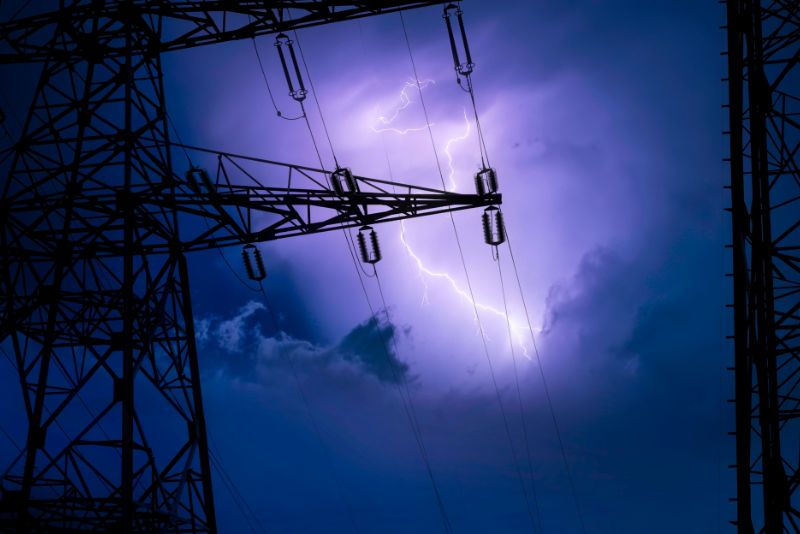
If the power goes out in a home lift, it should lower safely to a floor so the passenger can get out, rather than just stopping and leaving someone stuck there.
That really comes down to the type of lift and what backup system it has. On platform lifts, the battery backup kicks in if there is a power failure. So if you are travelling up, the lift will stop driving up, the batteries take over, and it will drive back down to the lower floor so you can get out safely.
On hydraulic home lifts, it works a little differently. These lifts use a UPS, or uninterrupted power supply. If the power goes off, the lift will automatically lower to the lower floor and open the sliding doors. So the lift is designed to bring you down safely without needing the normal power supply.
There are also manual emergency options built into both types of lifts as well. On screw and nut lifts, there are manual drive buttons that can run the lift on batteries up or down. On hydraulic systems, there is a hydraulic release on the valve block which allows the lift to be lowered manually if needed.
That backup side of things is a big part of the overall safety setup. We generally follow the same thinking as you would in a commercial environment, so the lift has battery backup or UPS backup in place rather than relying on mains power alone.
If help is needed, the lift can also have emergency communication fitted so support can be contacted straight away. So in simple terms, if the power goes out, the lift should be set up to get the passenger to a safe floor and out of the lift, not leave them stranded mid travel.
Key Points
- A home lift should lower safely to a floor if the power goes out, rather than leaving someone stuck mid travel
- What happens depends on the type of lift and the backup system it has
- Platform lifts use battery backup so the lift can drive back down to the lower floor during a power failure
- Hydraulic lifts use a UPS to automatically lower the lift and open the doors if power is lost
- Manual emergency lowering is also available on both lift types if needed
- Backup systems are a key part of the lift’s safety setup and should not rely on mains power alone
- Emergency communication can also be fitted so support can be contacted straight away
- The main goal is simple to get the passenger to a safe floor and out of the lift safely