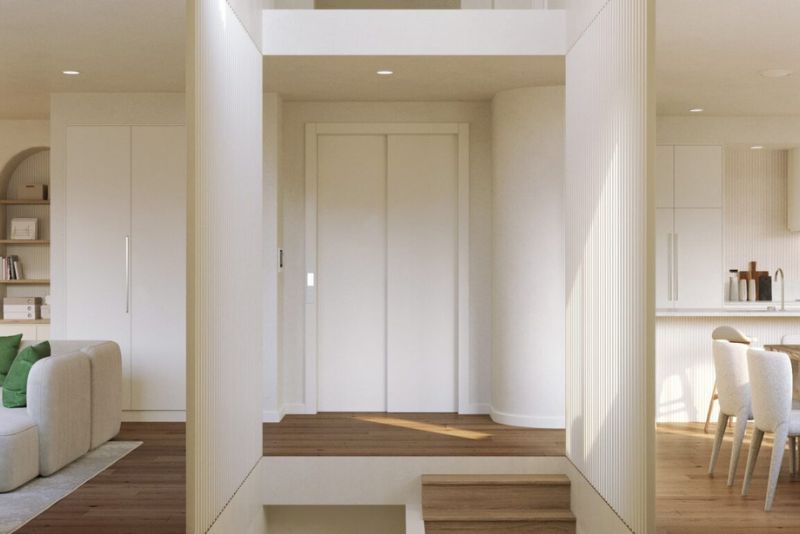

Installing a lift is not just about the day its commissioned and ready for use. There is usually a clear process before that, including planning, measuring, preparation, installation, testing, and handover.
If you are considering a home lift, one of the first questions you will probably have is what the installation process actually looks like. The answer depends on the type of lift, whether it is going into a new build or an existing home, and how much building work is required before the lift team starts on site. In general, the process is much smoother when the right lift is matched to the space from the beginning.
For some homes, installation is fairly straightforward. For others, there is more planning involved, especially if structural work needs to happen first. Either way, the aim is the same: make sure the lift fits properly, operates safely, and works the way it should from day one.
The lift installation process starts with the initial consultation
The first step is working out what the client wants and what the property can accommodate.
For an existing home, that usually means a site visit to assess the space, look at possible lift locations, and determine what type of lift is going to suit the layout. Things like pit depth, headroom, available floor area, access, and the size of the lift all come into it.
For a new build, the process can begin much earlier. Lift requirements can be provided during the design phase so the architect, draftsperson, and builder can allow for the lift correctly in the plans. This can make a big difference because it reduces the chance of changes later when construction is already underway.
Choosing the right lift affects the installation process
Not every lift installs the same way.
Part of the consultation is deciding what style of lift best suits the home, the available space, and how the homeowner wants the lift to operate. That can include:
- swing door or sliding door
- glass or more solid finishes
- constant pressure or fully automatic operation
- compact footprint or larger car size
- convenience, accessibility, or future-proofing needs
This matters because different products need different levels of preparation.
For example, an Aritco platform lift uses a screw and nut drive system and generally does not need the same kind of full structural shaft construction as a more traditional enclosed residential lift. By comparison, a Part 18 lift needs more builder preparation, including a structural shaft, deeper pit, and more overhead clearance.
Planning and design happen before installation is booked
Once the type of lift is decided, the next stage is planning and design.
This is where details such as lift placement, finishes, door configuration, and how the lift will integrate into the home are worked through. Some clients move through this stage quickly because they already know what they want. Others take more time while they compare options, finalise building costs, or decide on aesthetics.
That is why the planning stage can vary quite a bit. In some cases it can move ahead within a couple of weeks. In others it can take months, especially if a builder needs to quote and carry out alterations before the lift installation can begin.
Pre-installation preparation is a major part of the job
Before installation starts, the site needs to be ready.
The exact preparation depends on the lift being installed, but for a typical enclosed residential lift, this often means:
- the lift shaft or structural opening has been built
- the pit has been formed
- the required headroom is available
- power is ready on site
- the lift area is accessible for installers and materials
For Part 18 and Part 16 style lifts, that preparation is more substantial. These lifts require a proper shaft, with Part 16 also calling for a 160mm pit with standard flooring or 180mm for tiles or granite, and 2700mm overhead.
Aritco lifts are different. In many cases they only need the floor opening prepared, a small pit if required, and suitable fixing points. The Aritco 4000 and 6000 specifications list a 50mm pit, with no pit required when a threshold or ramp is used.
How long does lift installation take?
One of the most common questions homeowners ask is how long the installation itself takes on site.
As a general guide, a standard two-stop single-entry residential Part 18 lift is usually around two weeks on site from start to finish, including commissioning. An Aritco lift is generally quicker, often around one to one and a half weeks on site.
That timing assumes the site is ready and the required building work has already been completed before the installers arrive.
What to expect during the installation itself
During installation, there will usually be some disruption around the work area.
The main thing homeowners notice is noise, particularly during the earlier stages when guide rails are being installed and hammer drilling is taking place. Depending on the location of the lift, there may also be restricted access through parts of the house while work is happening overhead, so some areas need to be barricaded off for safety.
In practical terms, homeowners should expect:
- construction noise during parts of the job
- restricted access near the lift opening
- installers needing clear access to the work zone
- early starts so the team can get on with the installation efficiently
Every lift is tested before handover
Once the lift is installed, it still needs to be commissioned and tested.
This is where the lift is checked carefully to make sure it is operating safely and correctly. Different lift types have different commissioning procedures, but the process includes checking safety components, confirming the lift levels correctly at each floor, and making sure the system responds properly under load.
A full weight test is also carried out. Simon from Axis Lifts notes, “lifts are tested at 10% above their maximum load as part of the final safety checks”. Hydraulic systems also have their safety gear physically tested to ensure it engages correctly.
Homeowners are shown how to use the lift safely
Handover is an important part of the installation process.
Once the lift is complete, homeowners are shown how the lift operates, how to use it correctly, and what to do if there is ever an issue. Emergency evacuation guidance is also covered so there is a clear understanding of how to respond if someone becomes trapped in the lift.
That practical handover matters because a lift is not just another appliance. It is a piece of access equipment that needs to be used properly and supported correctly.
Safety features are built into the installation
Modern residential lifts include a range of safety features, and these are a big part of the commissioning and handover process.
For example, landing doors are electronically locked, so if a door is not shut properly, the lift will not operate. Platform lifts can also include safety edges around the platform, which stop the lift if something obstructs it during travel.
Power failure protection is another key feature. The type of backup depends on the lift:
- platform lifts can use battery backup to return to the lower floor
- hydraulic lifts can use a UPS to lower automatically and open the doors
- some lifts also include manual emergency lowering options
This is also reflected in the product specifications. The Aritco 7000 includes battery backup emergency lowering, while the 4000, 6000, Part 16 and Part 18 specs all refer to emergency lowering or UPS-based lowering in the event of power failure.
Common issues that can affect lift installation
One of the biggest things that can affect home lift installation is site readiness.
If the shaft is not square, the floor heights have changed, the landings do not line up, or the right fixing points have not been provided, the job can slow down while those issues are addressed.
That is why clear communication between the lift company, the builder, and the homeowner is such a big part of a smooth installation. The more accurate the information is before the lift arrives, the fewer surprises there are on site.
Ongoing support starts after installation
The process does not end once the lift is installed and handed over.
After installation, the lift should move into a scheduled maintenance plan so it continues to operate safely and reliably over time. Simon notes that “home lifts are commonly required to be serviced twice a year, with more frequent servicing recommended in coastal areas because of the harsher environment”.
This ongoing support is part of making sure the lift keeps doing what it is supposed to do long after installation day.
What homeowners can do to help the process run smoothly
A smooth lift installation usually comes down to a few simple things:
- choose the right lift for the home
- make sure builder preparation is done properly
- keep access clear to the installation area
- allow open communication during the job
- ask questions early rather than late
When the planning is right from the start, the installation process is usually far more straightforward.
Talk to Axis Lifts About Your Lift Installation
Whether you are building a new home or adding a lift to an existing one, the installation process starts with choosing the right product for the space and making sure the site is prepared properly.
Axis Lifts can help you work through the planning, design requirements, installation, testing, and ongoing support so you know what to expect from start to finish. Get in touch with our team to discuss your project and the best lift option for your home.