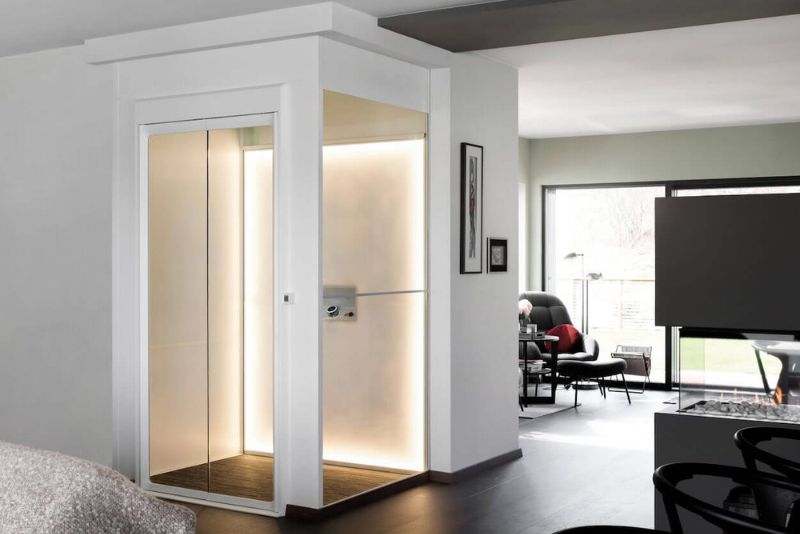
Yes, a home lift should have a way for someone inside the lift to call for help if they need it.
In commercial lifts, emergency hands-free communication is required. In residential lifts, it can be a little different, but there still needs to be a way for the person in the lift to contact someone if there is an issue. In a home setting, that can be a handset, so they can call whoever they want, but most systems now are done through a 4G GSM.
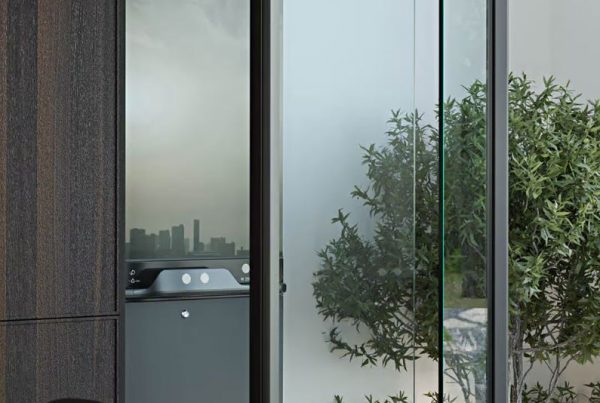
What that means in practical terms is there is emergency communication in the lift car that can call out straight away if someone gets stuck or needs assistance. That is important, because if there is ever an incident, you do not want the person in the lift relying on chance or trying to find their phone. You want that communication there in the lift, ready to go.
For us, every installation gets a 4G GSM unit. That gives emergency communication from inside the lift car back to our 24 hour 1300 number, which is answered straight away. From there, the technicians are told about the incident and can respond accordingly.
So while stair lifts are different, a home lift should absolutely have emergency communication built in. It is one of those safety features you want in place from the start, just so if something does happen, the person in the lift can get hold of someone straight away.
A lot of people focus on things like finishes, doors and how the lift looks in the house, which is fair enough, but the safety side matters just as much. Emergency communication is part of making sure the lift is not only easy to use, but also set up properly if something goes wrong.
Key Points
- A home lift should have a way to call for help if someone inside the lift needs assistance
- Residential lifts still need emergency communication, even though the setup can differ from commercial lifts
- Most systems now use a 4G GSM rather than relying on a basic handset alone
- Emergency communication should be in the lift car itself so help can be contacted straight away
- It should not rely on the passenger having their phone on them if something goes wrong
- A direct line to support is a big safety feature because it allows a fast response if someone gets stuck
- Emergency communication should be built in from the start rather than treated as an optional extra